 how-to
Is Property Management Worth It for a Single-Family Home?
Last Updated: October 28, 2026
Quick Summary
Property management services are worth it for a single-family home when they take the steady stream of small landlord tasks off your plate. Monthly fees commonly run 8% to 12% of rent, plus a leasing fee per new tenant. Compare the total annual cost against your expected net income before deciding.
- Monthly management fees commonly run 8% to 12% of rent for single-family homes.
- On $2,000 rent, a 10% fee equals $200 per month, or $2,400 per year.
- Compare net income after vacancy, fees and maintenance, not the fee percentage alone.
- Use one written screening standard for every applicant to stay consistent and fair.
- Review the management agreement's termination, spending limits and fee schedule before signing.
Table of Contents
- What Property Management Services Cover for a Single-Family Home
- Single-Family Property Management Fees and What They Really Cost
- How to Manage a Single Rental Property, Step by Step
- Tenant Screening, Leasing and Rent Collection
- Rental Property Maintenance Checklist for Owners
- Property Management Agreement Checklist: What to Review Before You Sign
- Choosing the Right Property Manager for Your Home
- Request a Quote and Set Up Your Management Plan
- Frequently Asked Questions
What Property Management Services Cover for a Single-Family Home
Property management services for single-family homes handle the day-to-day work of owning a rental. A manager may advertise the home, screen applicants, collect rent, coordinate repairs and keep the owner informed. For a single unit, the value comes from taking those tasks off your plate. Many first-time landlords find that the hardest part is not the big decisions but the steady stream of small ones.
Single-family rentals are a large part of the market. ManageCasa reports roughly 16 million single-family rental units in the United States, about 35% of all rental households (ManageCasa 2026 Single Family Rental Property Management Guide). That scale means the service has become a common option, not a niche one.
Core services can include:
- Marketing: promoting the home
- Tenant screening: screening applicants
- Rent collection: collecting rent
- Maintenance: maintaining the property
Watch out: a manager who only advertises the home and collects rent leaves you carrying most of the risk. Confirm what is included before you sign.
Single-Family Property Management Fees and What They Really Cost
For single-family homes, ManageCasa reports monthly fees commonly run 8% to 12% of rent, plus a leasing fee when a new tenant is placed (ManageCasa 2026 Single Family Rental Property Management Guide). On a home renting for $2,000 a month, a 10% fee is $200 per month, or $2,400 a year, before any other charges. A leasing fee is often quoted as a percentage of first-month rent or a flat amount, so a $2,000 rent could carry a $1,000 placement charge each turnover.
Estimate net income rather than gross. Take expected annual rent and account for vacancy, management fees and maintenance costs. The result is the number to compare across proposals, not the fee percentage.
The article breaks down the typical costs of hiring a manager for a single-family rental, as follows.
| Cost item | Typical value | Note |
|---|---|---|
| Monthly management fee | 8% to 12% of rent | Reported by ManageCasa for single-family homes |
| Leasing fee | Percentage of first-month rent or flat amount | Charged when a new tenant is placed |
| Example fee on $2,000 rent | $200 per month | At a 10% fee, before other charges |
| Example annual fee | $2,400 per year | At a 10% fee on $2,000 rent |
| Example placement charge | $1,000 per turnover | Illustrative for a $2,000 rent |
How to Manage a Single Rental Property, Step by Step
If you self-manage, the work follows a predictable sequence. Set your rent using local comparables, then prepare the home with a basic safety and repair check. Advertise, screen applicants using the same written criteria for everyone, and sign a lease that meets applicable rules. After move-in, track rent, log every maintenance request and inspect the property at regular intervals.
For a deeper walkthrough, see our guide on how to manage a single rental property. Self-management requires consistent follow-through, especially when a repair call comes in at night.
Tenant Screening, Leasing and Rent Collection
Use one written standard for every applicant, covering income, credit, rental history and references. Screening is also where fair housing rules apply, so judge applicants on those written criteria alone (HUD Archives: HUD Issues Fair Housing Act Guidance on Applications of Artificial...).
Rent collection works best with a clear late-fee policy, set out in the lease and enforced the same way each time. Consistency matters more than strictness.
Rental Property Maintenance Checklist for Owners
Review the home on a regular schedule and check these items:
- HVAC filters replaced and system serviced
- Smoke and carbon monoxide detectors tested
- Gutters, downspouts and drainage clear
- Water heater flushed and inspected
- Exterior caulk, paint and roof condition reviewed
- Appliances and plumbing tested after each tenant leaves
Keep a log of every repair with the date, cost and vendor. That record can help with planning future work.
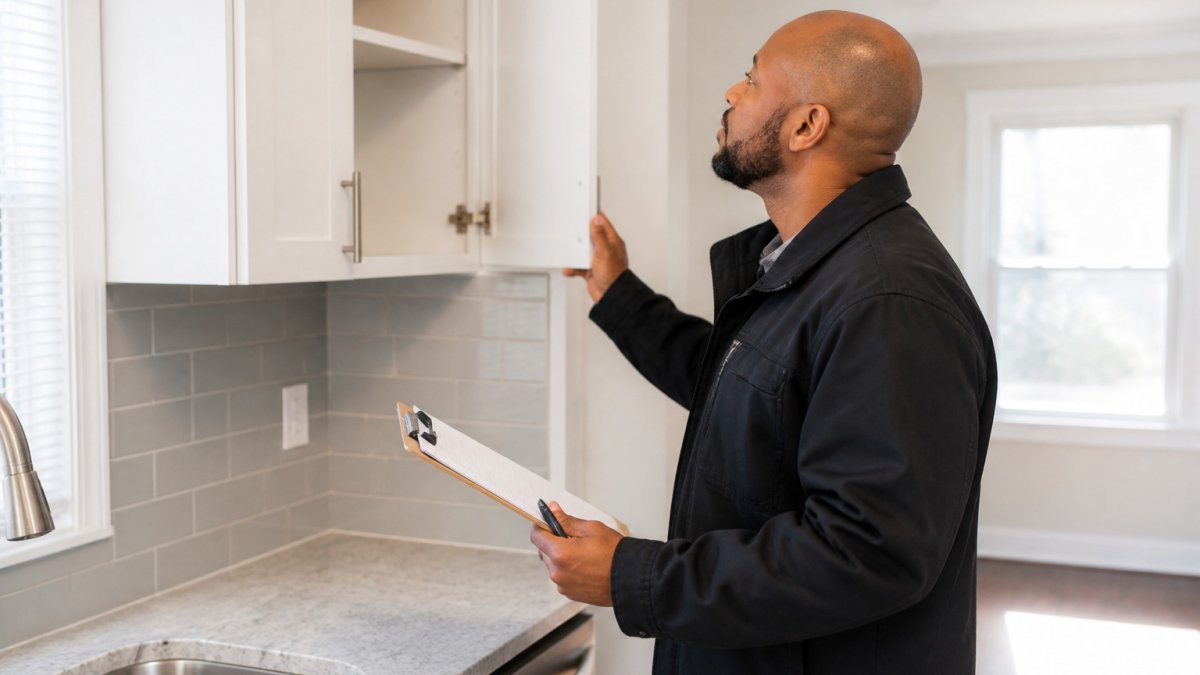
For a fuller guide, read how to maintain your rental property. Owners who want repairs handled without a full management contract can also ask about the Maintenance Partner Program.
Property Management Agreement Checklist: What to Review Before You Sign
The management agreement sets out terms concerning your money, your tenant, and ending the agreement. Read it line by line against this checklist before you sign.
Term and termination. Confirm the initial term, whether it renews automatically, and the notice required to cancel. Look for an early-termination fee and whether it applies if you sell the home.
Authority and spending limits. The agreement should state the maximum repair the manager can authorize without your approval. Confirm whether the manager can sign leases, file evictions, or hire attorneys in your name, and whether you must approve those actions first.
Money handling. Ask where tenant security deposits are held and how owner funds are disbursed. Review how the manager handles late rent, partial payments, and returned payments.
Fees and markups. Attach the fee schedule to the agreement and confirm it matches the proposal.
Insurance and liability. Review the agreement's insurance and liability terms.
Reporting and access. Ask what reporting and access the manager provides, and how you are notified of a repair, a late payment, or a notice to vacate.
The lease the manager signs. Review how the lease is structured, including late fees, renewal terms, and entry notice. Our guide on making a solid lease agreement for your rental property explains the terms that matter most.
Onboarding workflow. Ask each manager to explain its process in writing, including who does what and how long each step takes.
Compliance reminders. Fair housing, screening rules, security deposit handling, habitability standards, and lease requirements are set by federal, state, and local law, and they change. Confirm in writing that the manager follows fair housing rules, uses written screening criteria applied consistently, and handles deposits and notices according to the rules that apply to your property. Verify jurisdiction-specific requirements with a local attorney or the appropriate agency before relying on any summary.
Choosing the Right Property Manager for Your Home
Start with three questions: Do they manage single-family homes specifically? How do they screen tenants? What happens when a tenant stops paying? Ask what information they can provide about their services and vacancy process.
Compare the scope of service, not just the price. Look for a manager who explains the fees in writing and answers questions directly.
Request a Quote and Set Up Your Management Plan
Once you have compared the options, decide which tasks you want handled and which you can manage yourself. Our owner onboarding checklist walks you through setting up your management plan step by step. A clear plan makes the quote comparison simpler. Contact us to request a quote.
Ready to take the stress out of ownership? Get in touch with us today.
Frequently Asked Questions
What services does a property manager provide for a single-family home?
A property manager for a single-family home may handle marketing the property, screening applicants, collecting rent, coordinating maintenance and repairs, and eviction protection. Owners should ask for a written list of included services.
How much do property management services cost for a single-family home?
Pricing depends on your property and the services you choose, so review First Providence Realty's pricing page or request a quote before you commit.
Is hiring a property manager worth it for one rental property?
Hiring a manager is worth considering for one rental if you live far away or lack time for tenant calls. Compare the management fee against the time you would spend marketing, screening and handling repairs, plus the cost of a vacancy or a poor tenant. First Providence Realty offers a Maintenance Partner Program for owners who want maintenance support without monthly management fees.
What should I look for in a property management agreement?
A property management agreement should clearly state the services provided and the applicable fees. Review the agreement before signing so you understand its terms.